

IGI Cameroon Citizens’ Monitor Program [CCMP]
Through the instrument of CMI IGI supports ordinary citizens and civil society with legal empowerment and citizen monitoring activities to enable them participate in monitoring vital public projects and services where they live and also to solve the problems they find. Cameroon seeks to become an emerging economy by 2035, and as a result the government is increasingly investing in basic infrastructure development while at the same time seeking to enhance the delivery of essential services to remote local communities throughout its 10 regions. Community education, legal awareness, access to vital budget and project information can be an incentive for public participation and demand for accountability.

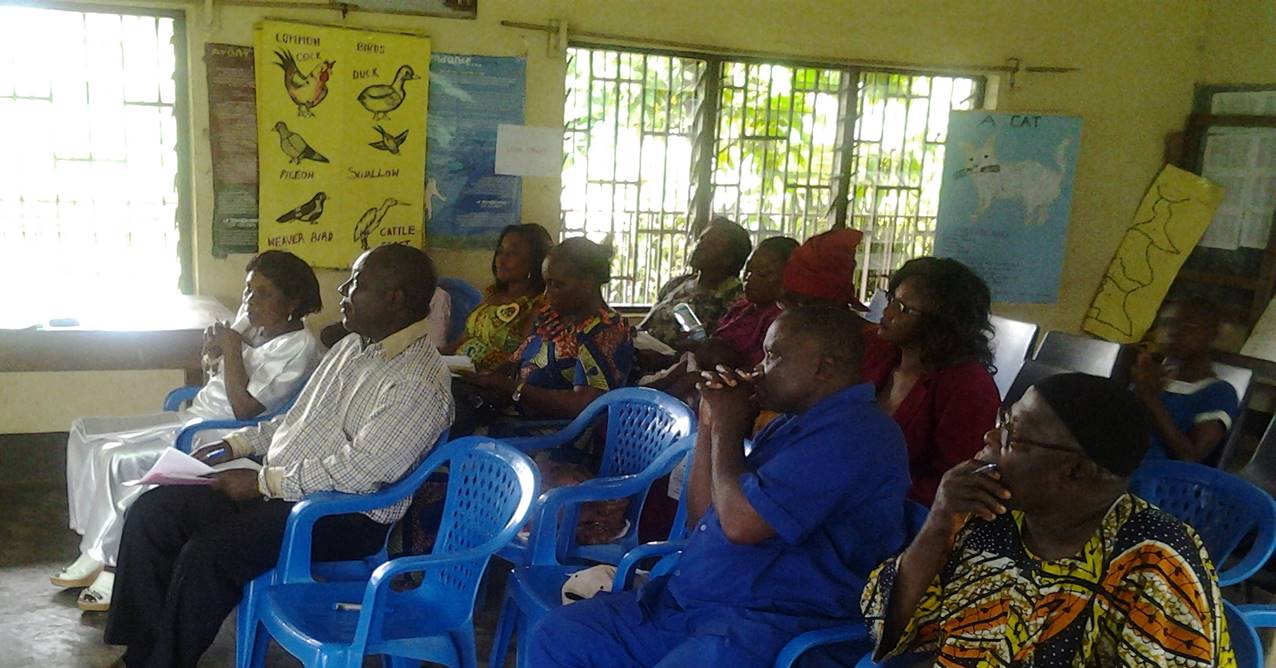
“They have always asked me to write reports about the delivery of school materials and implementation of school projects in my district, and I have always wondered what to write. I have never been provided with data and information on expenditures of the projects I am often asked to report on; this project has opened by eyes and understanding to so many things that I was not aware of even though I am in charge of supervising basic education projects in my area, now I know what to write”...comments one of the CMI program beneficiaries.
Citizen Monitor Project
IGI –Integrity Action Project is a Citizen Monitor Initiative (CMI) which trains and empowers ordinary citizens to become monitors of government allocated public investment budgets, programs and essential services where they live. The strategic goal of this effort is to improve the quality of public services and development infrastructure where they are needed by providing ordinary citizens with the training support and tools required to enable them engage directly with service providers.


The Citizen Monitor Mobile Application program [CM] BEPROMAP
Budget and Expenditure Program Application
The BEPROMAP is a tool developed by IGI to track budget expenditures and public service delivery. It involves a software program that plays host to a database of projects and their budgets for development work in rural communities. It also serves the purpose of capturing and analyzing data on community development projects and budgets; producing feedback to its users on any query related to- project type, budget allocated, work progress, delivery deadlines etc.
The database is accessible to all users offline and online [once the android application is installed] and can be accessed using ipads, laptops and android phones.
The database is accessible to all users offline and online [once the android application is installed] and can be accessed using ipads, laptops and android phones.


Strategic CMI Program Indicators
Model, Impact and Theory of Change

Our Model
CMI Model
Our Impact
CMI impact
CMI Program Theory of Change
- 1 Raising community awareness of rights, alongside access to information on vital development budgets and projects where they live 2. Provides the right incentive to mobilize and empower ordinary citizens to collectively engage in monitoring of violations, delays, and other abuses in the delivery of vital projects and essential services funded by public resources where they live. 3. Creating pressure for better results as ordinary citizens conduct on-the-spot checks and interventions 4. Collaborating nonviolently with local authorities to demand redress of violations leading to improved transparency, accountability, and quality service delivery outcomes.>. To download individual CMI activity reports go to our Participatory Research page.